
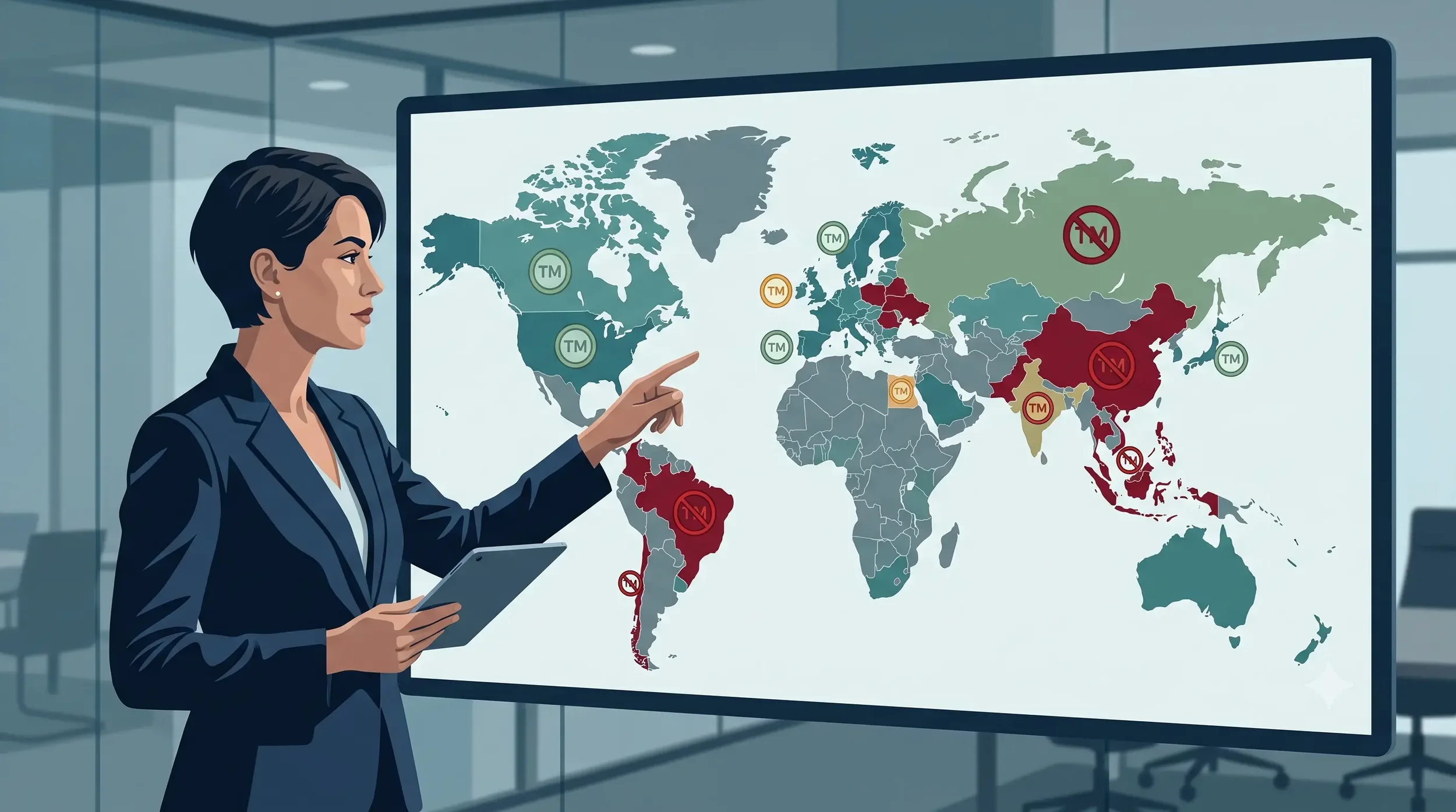
The Real Cost of a Cheap Trademark: What Founders Get Wrong About Global Brand Protection
Filing a cheap trademark in one country and assuming global protection is one of the most expensive mistakes founders make. This briefing shows how territorial rights, China’s first-to-file rules, and Madrid’s central attack combine to create the gap between believing you are protected and discovering you are not.

The Confidence Paradox
Six separate 2026 surveys asked leaders how confident they feel about managing risk. The answer swings from 95% to 22% depending on how specific the question gets. A look at what that gap actually reveals.

EUDR Compliance Is Now a Market Access Tax. Here Is What That Changes for Mid-Market Food Procurement.
EUDR is not a sustainability initiative with a compliance appendix. It is a market access condition with a penalty floor of at least 4% of annual EU turnover. Here is what that changes for mid-market food procurement, supplier selection, and supply chain design before December 2026.

GP Stake Sales: Governance Drift, LP Contract Gaps, and Concentration Risk for Limited Partners
GP stake sales are no longer a niche sponsor‑financing tool. This LP‑side analysis examines how GP stakes can shift governance and incentives, where LPAs and side letters leave investors exposed, and how a concentrated buyer universe changes portfolio‑level risk. Written for CIOs and heads of private markets at pensions, insurers, endowments and family offices.

Access as Infrastructure: Off-Market Real Estate, Private Banks, and Medical Concierge in Switzerland, Monaco and Italy
For Ultra-High-Net-Worth individuals, capital is rarely the limiting factor-access is. Discover how private banking, off-market real estate, and medical concierges function as an integrated infrastructure designed to navigate complex regulatory environments and bypass public market friction.

Big Money vs. Smart Money: How RIGI and RIMI Reveal the New Architecture of Emerging Market Investment
Argentina has engineered a bifurcated investment architecture - RIGI for $200M+ sovereign scale megaprojects and RIMI for mid market SMEs. This analysis examines what this two tier framework reveals about the new global competition for internationally mobile capital.

Industrialized Cybercrime: How AI Is Rewiring the Logic of Fraud
AI is no longer just a tool attackers use — it is the operating model. Fragmented threat actors are being replaced by coordinated, specialized systems that exploit identity, trust, and organizational tempo. This brief maps three structural shifts: identity as infrastructure, speed as the decisive asymmetry, and synthetic trust as a governance crisis, translating each into concrete workflow and decision-design implications for operators and security leads.

The UAE’s Regulatory Paradigm Shift: 3 Second-Order Effects Reshaping Commercial Strategy and Disputes
The UAE's Federal Decree-Law No. 10 of 2025 and the Central Bank's April 2026 AML guidance do more than tighten compliance checklists. They create three second-order effects that reshape how banks and corporates operate: AML weaponized as a tactic in commercial litigation, a de-risking domino that opens wrongful interference claims, and trade finance emerging as a new battleground for proliferation financing risk.

The Supply Chain Blind Spot Costing E-Commerce Brands Hundreds of Thousands
Mid-sized e-commerce brands operating post-De Minimis are sitting on legally recoverable duty drawback refunds they cannot claim - because their storefront, 3PL, and customs broker data never talk to each other. This brief identifies the exact data architecture gap, explains how Section 321, 10-digit HTS classification, and a 5-year retroactive window interact, and outlines a three-phase pipeline for turning trapped tariff spend into recovered capital.
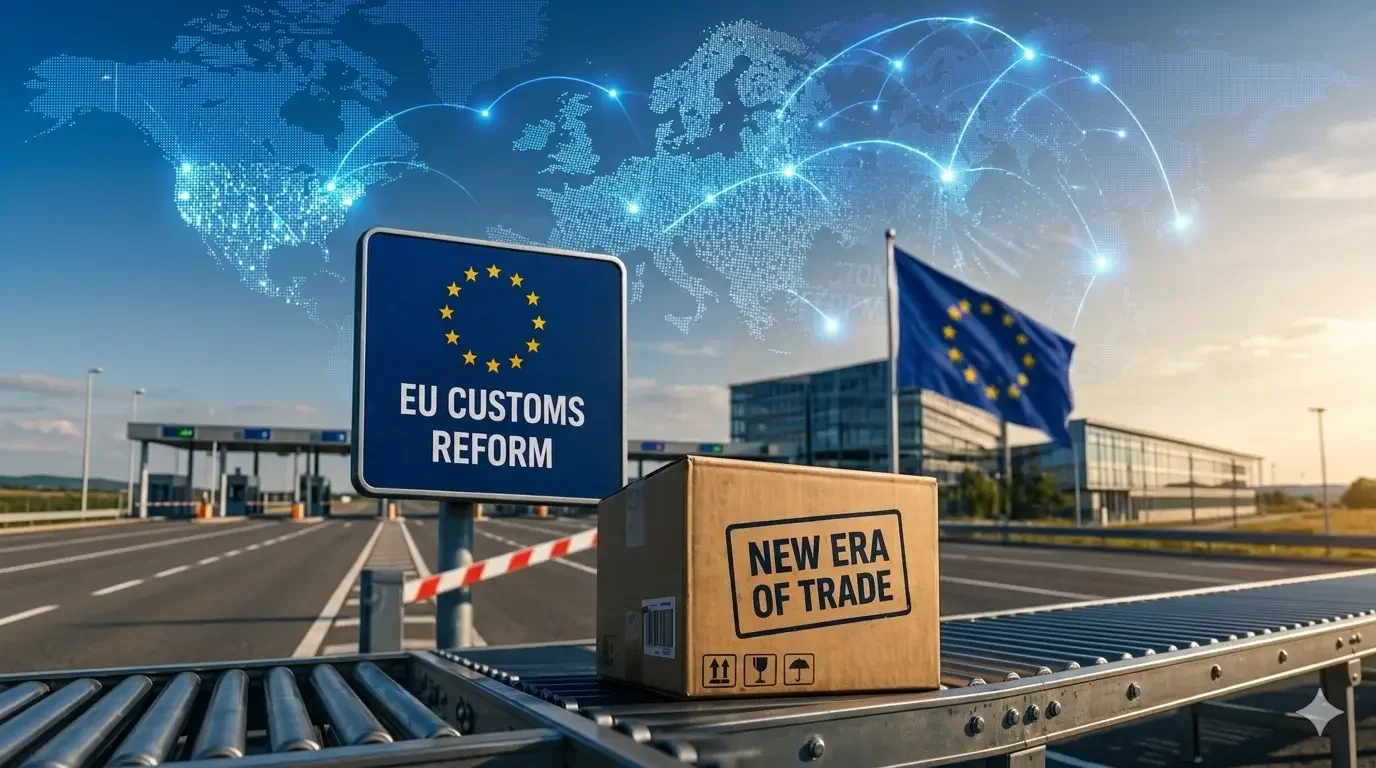
The Death of the E-Commerce Loophole: What the EU’s Customs Overhaul Means for Global Founders
From July 1, 2026, the EU eliminates the low-value consignment exemption and introduces a €3 customs duty per item - the most significant structural change to cross-border e-commerce in decades. This brief details the full overhaul: the centralized EU Customs Data Hub, the "deemed importer" rule for platforms, and why "Trust and Check" status is fast becoming the most valuable compliance asset for founders selling into Europe.
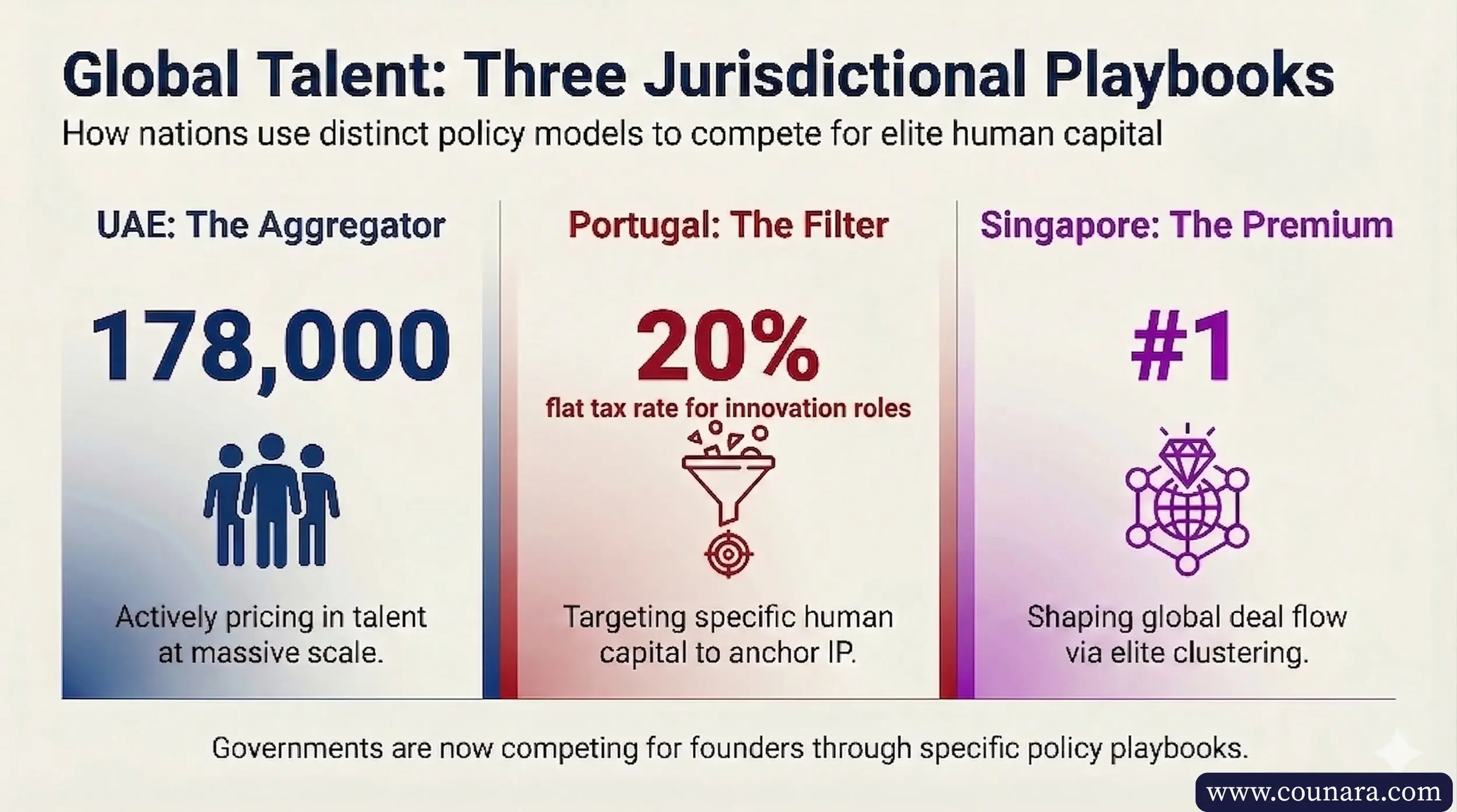
The New Geopolitics of Talent - Why Governments Are Now Competing for Founders Like They Once Competed for Factories
Jurisdictions like the UAE, Portugal, and Singapore are no longer just destinations - they are competing strategic assets in global talent allocation. Visas, flat tax regimes, and residency pathways have become the new industrial policy, designed to attract founders, researchers, and elite tech workers the way governments once competed for factories. This brief explains what that shift means for investors, operators, and anyone making a jurisdiction decision in 2025–2026.
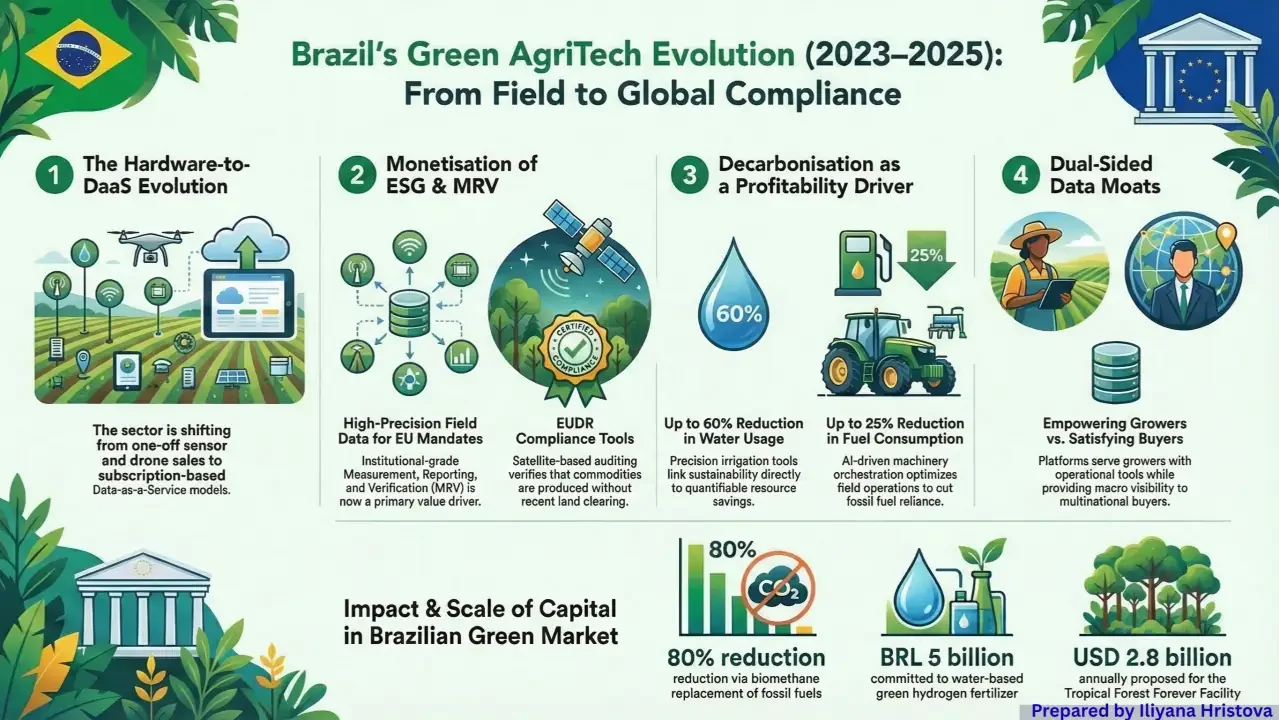
Bridging the Information Gap: Why Brazil's Green AgriTech is the Next Nordic VC Frontier
Brazil's green agritech sector is scaling at the intersection of biodiversity leverage, ESG monetisation, and industrial agriculture decarbonisation - yet it remains largely invisible to Nordic investors. This brief identifies the structural information gap that keeps early-stage capital on the sidelines, maps the three policy and market forces driving the sector's growth, and explains why this gap represents a first-mover opportunity for Nordic VCs with the right local intelligence infrastructure.