
The Death of the E-Commerce Loophole: What the EU’s Customs Overhaul Means for Global Founders
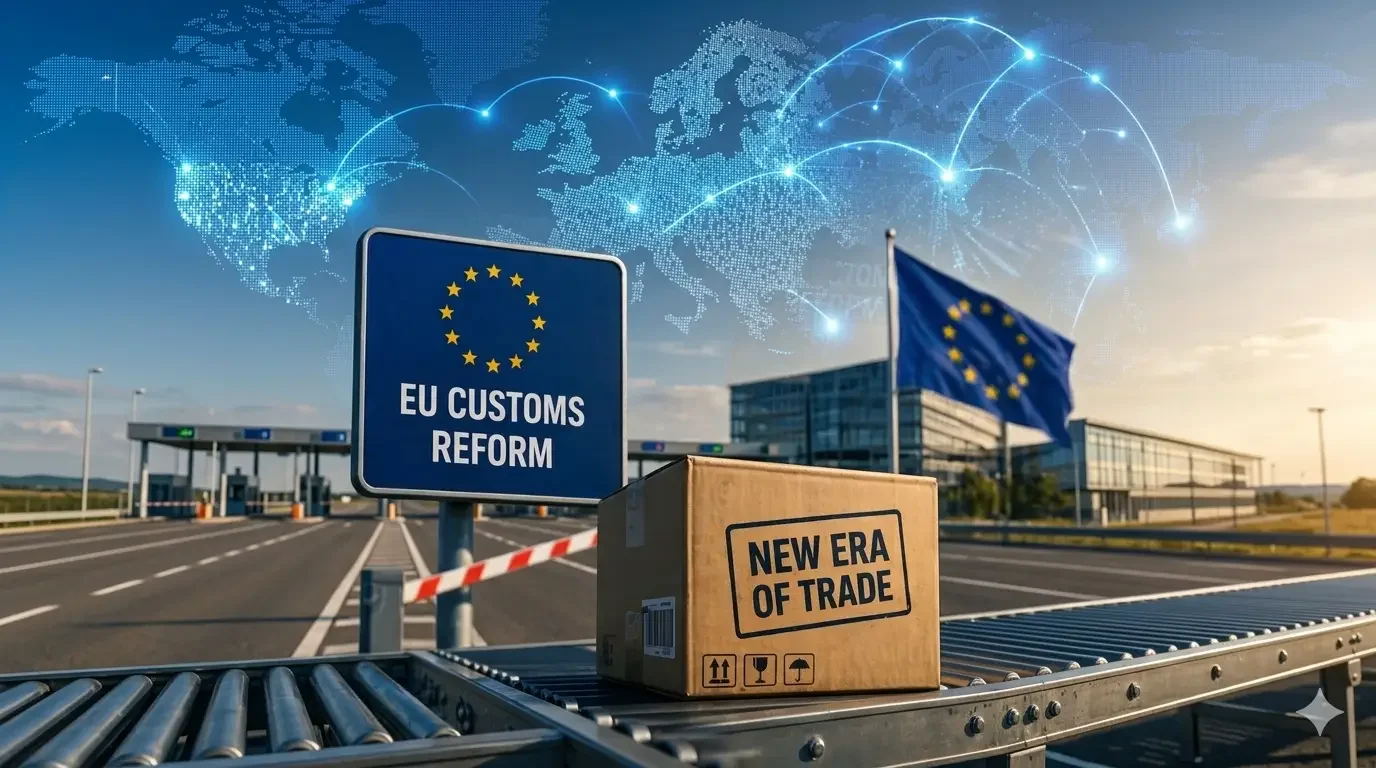
The European Union has officially agreed to the most ambitious overhaul of its customs union since 1968. We are moving from a clunky, fragmented, declaration-based system to a modern, centralized, data-driven approach.
For digital nomads and cross-border founders, it’s time for some real talk: the era of effortlessly shipping cheap, non-compliant goods from outside the EU into Europe is over. The new regulations specifically target the explosive growth of e-commerce, and they are bringing a heavily enforced, data-strict border with them.
The Margin Wipeout: Immediate Financial Measures for 2026
If you are confused about when these changes hit your bottom line versus when the new IT systems actually launch, here is the clarification: the financial hit happens this year.
The massive volume of low-value e-commerce parcels entering the EU from third countries, an estimated 5.9 billion in 2025 alone, brought a wave of non-compliant goods and severe tax fraud risks. To address this urgent crisis, the EU is expediting immediate financial measures to start earlier than the long-term tech platforms.
The €150 customs duty exemption threshold for low-value consignments is officially dead. In its place, a new (temporary) €3 customs duty per item for low-value parcels applies starting July 1, 2026. For businesses relying on razor-thin margins and cheap imports, this per-item fee will instantly wipe out profitability.
Ursula Riimaa, Deputy Director General for Customs at the Tax and Customs Board, explains exactly how this hits the bottom line: “The €3 fee will apply to each item in a consignment - meaning that if a shipment contains two goods with different commodity codes, a customs duty of €6 will be applied. However, if a small consignment contains, for example, two books with the same commodity code, a €3 customs duty will apply to the shipment”.
Furthermore, to cover the rising IT and labor costs of processing these billions of parcels, a new handling fee will hit goods imported into the EU no later than November 1, 2026.
The End of the "Hacky" Playbook: The Deemed Importer
Under the old rules, overseas sellers could often avoid accountability when dropshipping directly to consumers. The new reform crushes this loophole by introducing the "deemed importer" rule for distance sales.
Online platforms and intermediaries will now be legally considered the "importers". This means they will bear the ultimate responsibility for ensuring that customs duties and VAT are paid at the time of purchase, and they will be held legally liable for ensuring the products comply with all EU safety, environmental, and ethical standards. Platforms will no longer tolerate opaque, non-compliant sellers because the platforms themselves are now on the hook for the risks.
The Long-Term IT Rollout: A Data-Driven Border (2028-2034)
While the new fees start in 2026, building the centralized digital infrastructure to permanently manage this strict border takes time. The EU is building a centralized EU Customs Data Hub, overseen by a newly established EU Customs Authority. Once this Data Hub is fully operational, the temporary €3 duty will be phased out and normal customs duties will apply.
Here is the infrastructure rollout timeline every global founder needs to know:
2028: The EU Customs Data Hub officially starts for e-commerce.
2031: The Data Hub opens for voluntary use by all other businesses.
2034: The Data Hub expands to all traders and becomes the single mandatory EU customs entry point.
As Riimaa bluntly puts it: “This is a long-awaited and fundamental reform that strengthens the customs union and provides us with more effective tools to curb illegal trade. The first changes stemming from the reform in the field of e-commerce will be implemented already this year”.
Compliance as a Competitive Moat: "Trust and Check"
While the border is getting stricter for the non-compliant, the EU is offering a massive strategic advantage for serious, highly reliable entrepreneurs: the “Trust and Check” status.
If your business maintains fully transparent operations and grants customs authorities real-time access to your electronic systems and supply chain records, you become a "Trust and Check" trader. If you secure this status, you can clear your own goods with virtually no active customs intervention, releasing goods directly at their final destination.
Moving forward, corporate transparency is no longer an annoying administrative task-it is a massive competitive moat.
The Strategic Takeaway
You can no longer hide behind opaque supply chains or fragmented corporate setups. To survive this shift to a strict, data-driven border, you must invest in clean data, total supply chain transparency, and strict legal compliance. The global founders who treat compliance as a strategic asset to achieve "Trust and Check" status, rather than a bug to be bypassed, are the ones who will dominate the next era of European trade.