
How To Choose Your Anchor Between Norway, Bulgaria And Colombia (Safety, Culture, Cost, Visas & Time Zones)
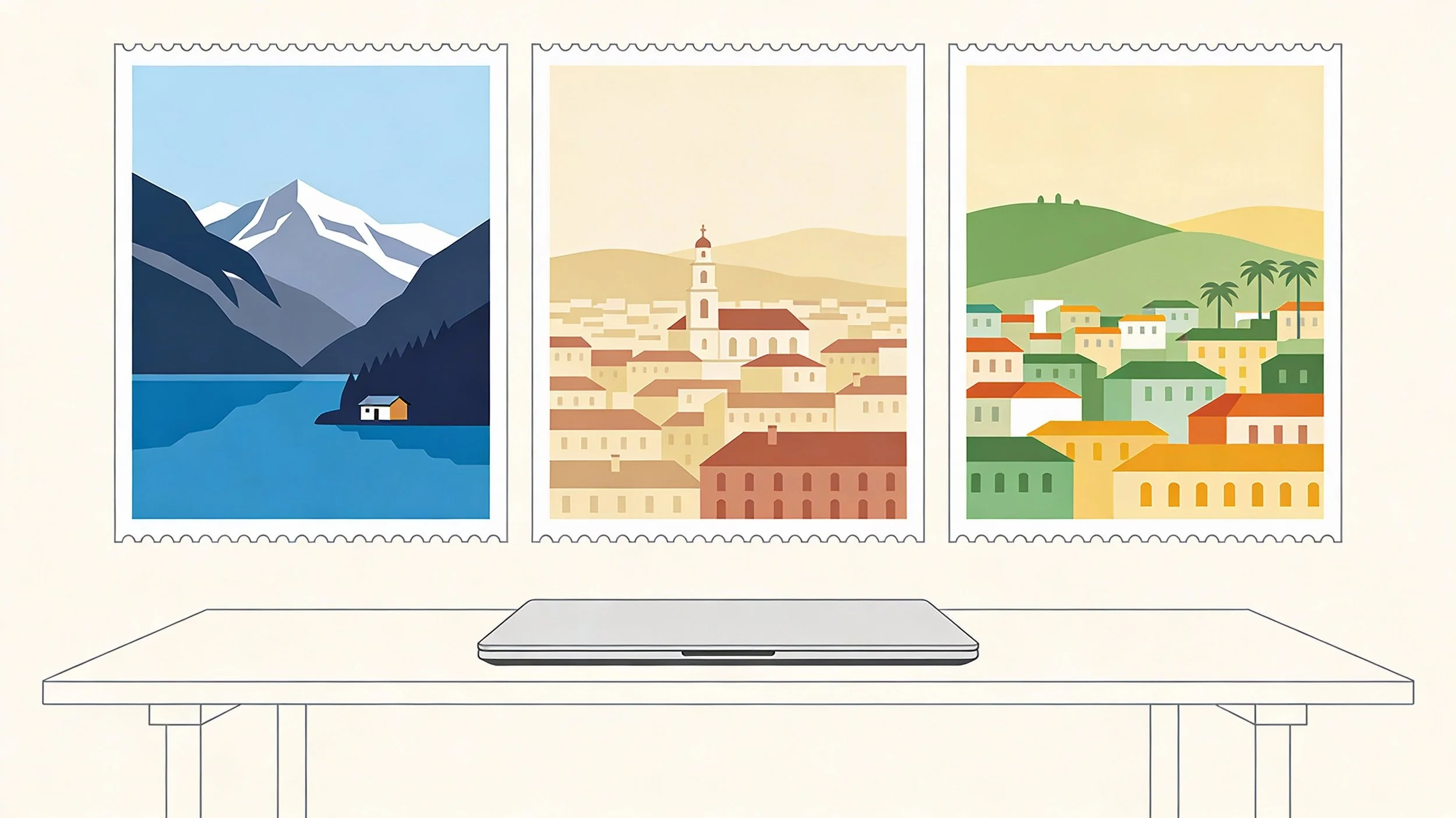
Remote professionals can technically work from anywhere, but in practice most lives are built around an anchor country. This is the place that holds your legal, financial and emotional base, even if you still travel months each year. Norway, Bulgaria and Colombia represent three very different ways to anchor your life: high stability, cost‑efficient EU access and lifestyle‑driven hub.
What an “anchor country” really is
An anchor country is where your long‑term life is actually organised: your company registration, tax residence, health care, bank accounts, and often your closest relationships. It matters more than your latest “where I am now” Instagram story because it shapes your risk, opportunities and everyday emotional baseline.
Instead of asking “where is cool this year?”, a better question is “Which country’s systems, costs and culture genuinely support the life I am trying to build?”. This is where Norway, Bulgaria and Colombia pull you in different but equally valid directions.
Safety and stability
Norway consistently ranks among the safest countries in the world, with low crime, high institutional trust and strong social safety nets. If your nervous system calms down when things are predictable and well regulated, Norway is the clear stability anchor.
Bulgaria generally sits in the middle: not as high on the global safety rankings as the Nordics, but far from the riskiest, and steadily improving as an EU member state.
Colombia offers intense vibrancy and opportunity but still comes with higher perceived and measured crime levels, so choosing it as an anchor requires more street smarts, local knowledge and conscious risk management.
Cost of living and day‑to‑day life
Norway is a high‑cost, high‑service environment: housing, groceries, restaurants and alcohol are markedly more expensive than global averages, even though you receive excellent infrastructure and public services in return. This suits remote professionals with stable, higher incomes who value quality of life and public systems over maximising geo‑arbitrage.
Bulgaria offers a significantly lower cost of living than Western Europe and the Nordics while still giving you access to the EU market.
Colombia often sits in a similar or even cheaper range depending on the city, with places like Medellín and Bogotá known for relatively affordable rent, food and coworking compared to North America and Western Europe.
Visas, structures and time zones
Norway’s immigration paths are more structured and demanding; work and residence permits tend to favour clear employment, in‑demand skills or specific family and study categories. This makes it ideal as an anchor if you are committed to deeper integration and are ready to navigate a stricter, paperwork‑heavy system.
Bulgaria is often used by entrepreneurs and remote workers as a cost‑efficient EU base, with various routes involving company formation and residency through business activity.
Colombia, meanwhile, has created a dedicated digital nomad visa that typically allows remote workers with foreign income, minimum earnings and health insurance to stay for an extended period while working for non‑Colombian clients or employers.
Time‑zone‑wise, Norway runs on Central European Time and Central European Summer Time (UTC+1/+2) and Bulgaria on Eastern European Time and Eastern European Summer Time (UTC+2/+3), both convenient for collaborating with Europe, the Middle East and overlapping with North America in the late afternoon. Colombia sits on Colombia Time (UTC‑5), lining up naturally with North American working hours and creating a more challenging schedule if most of your clients are in Europe.
Culture and “fit” for your personality
Norway tends to be quieter and more reserved on the surface, with a strong emphasis on privacy, direct communication and modesty norms such as Janteloven. For many remote professionals this is the ideal backdrop for focused deep work, outdoor life and long‑term, trust‑based relationships, once you adapt to the slower social warm up.
Bulgaria blends Balkan warmth with European influences, and in many cities there is a growing entrepreneurial and digital nomad scene combined with a more informal, flexible attitude to rules.
Colombia is the opposite end of the spectrum from Nordic understatement: socially rich, expressive and relationship driven, with music, gatherings and street life woven into daily routines. Your energy levels, language preferences and appetite for sensory intensity will strongly influence whether this feels like fuel or overwhelm.
A simple decision matrix
If you crave predictability, strong institutions, long‑term residency and are ready to tolerate high costs in exchange for security and social infrastructure, Norway is the anchor that matches your priorities. If your focus is maximising runway, accessing the EU market and building a lean but legal structure for your business, Bulgaria is often the smarter strategic base.
If you want rich social life, Spanish language immersion, and a lifestyle‑first environment while still keeping costs manageable, Colombia can be the right anchor, provided you are proactive about safety and legal status. The real work is not picking “the best country”, but mapping your risk tolerance, income, relationships and long‑term goals to the anchor whose systems and culture support the life you actually intend to live.