
🇧🇬 Moving to Bulgaria: A Practical, Realistic Guide for Expats and Remote Professionals
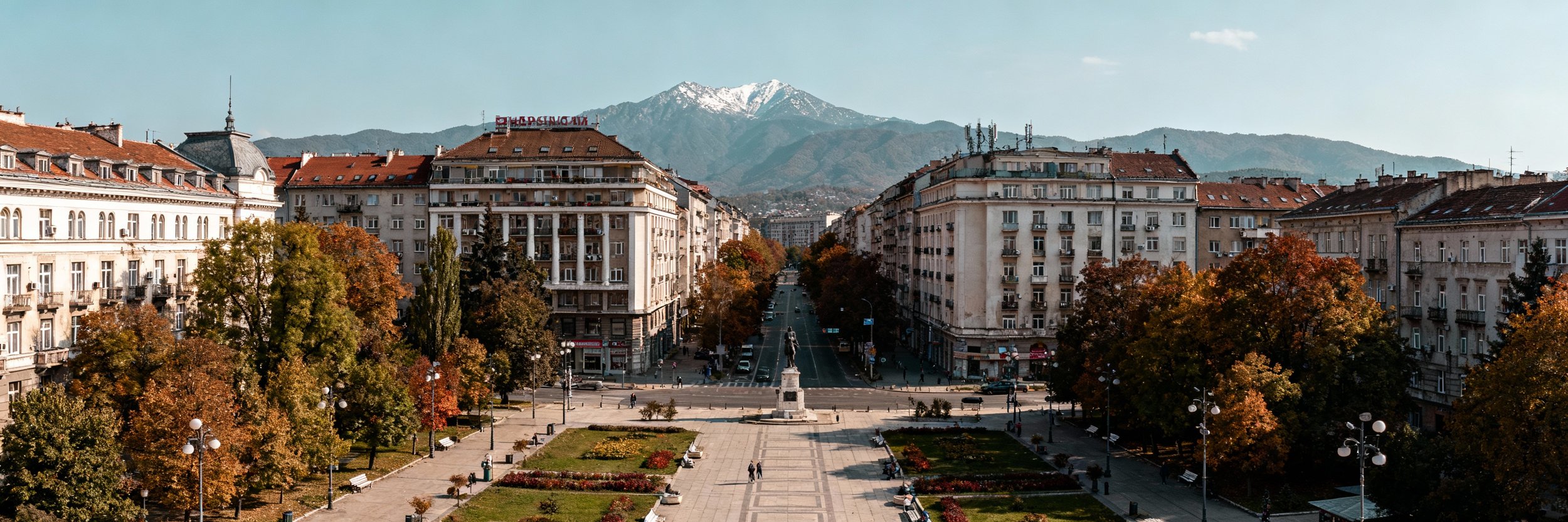
A wide city scene under clear daylight, blending urban life with natural beauty.
What to expect, how to adapt, and what nobody tells you until you arrive.
Bulgaria is one of the most underestimated relocation destinations in Europe.
Affordable, safe, culturally rich, geographically diverse, and well-positioned for remote work - yet still “under the radar” compared to its neighbors.
But like every country, Bulgaria has its own logic.
People who move here succeed when they understand how the system actually works, not just the paperwork.
This guide breaks down the real Bulgaria - with clarity, practicality, and lived experience.
1. Why Bulgaria Attracts International Movers
Most people come for one (or more) of these reasons:
✓ Lower cost of living (for EU standards)
Housing, food, transportation, and services are significantly more affordable than in Western/Northern Europe.
✓ Strategic location
Fast access to Greece, Turkey, Romania, Serbia, and the Black Sea.
✓ Stable digital infrastructure
Bulgaria has excellent mobile data, fast internet, and reliable remote-work conditions.
✓ EU Member State
Right to travel, right to work (if you are an EU citizen), and straightforward long-term permits for spouses or family of EU citizens.
✓ Natural beauty
Mountains, ski resorts, beaches, thermal spas - Bulgaria is compact but very diverse.
2. Where Most Expats Struggle (Not What You Expect)
It’s rarely visas or paperwork that cause problems.
It’s cultural misalignment and unclear expectations.
Common adaptation hurdles:
• Direct communication style
Bulgarians communicate honestly and directly - sometimes perceived as “too direct” by foreigners.
• Administrative attitude
Public institutions are functional but not always customer-friendly.
Persistence > politeness.
• Social circles take time
People are friendly but not instantly open. Trust grows slowly.
• “Organized chaos” environments
You need flexibility, patience, and strong internal structure.
• Work culture differences
Less corporate structure than Northern Europe.
More flexibility - but also more unpredictability.
Understanding these dynamics makes adaptation far smoother than relying only on online information.
3. Visa & Residency Basics (Short, Clear, Actionable)
EU Citizens
No visa. You simply register your address and residency card.
Non-EU Citizens
Options include:
• Long‐term D-visa
• Work permit
• Student visa
• Freelance/remote work options under employer sponsorship
• Family reunification
Bulgaria does not have a digital-nomad visa yet.
For all cases: documents must match exactly, translations must be certified, and expect multiple in-person appointments.
4. Where to Live: The Most Practical Cities for Expats
Sofia
• Capital, international environment
• Most jobs and services
• Mountains nearby
Best for: professionals, remote workers, international families.
Plovdiv
• Cultural capital of Bulgaria
• Creative, relaxed, walkable
Best for: artists, freelancers, families wanting slower pace.
Varna / Burgas (Black Sea)
• Coastal life
• Good summers, quiet winters
Best for: remote workers, families, sea lovers.
Smaller towns / villages
• Extremely affordable
• Nature-focused life
Best for: long-term remote workers comfortable with slower pace.
5. Cost of Living: What’s Realistic Today
(Prices vary by city.)
Approx monthly ranges:
Rent (1-bedroom apartment): €350–€600
Groceries: €150–€250
Mobile internet: €10–€20
Cafés / restaurants: €5–€10 per meal
Transport: €0.80 metro / €1 bus / €8–€10 taxi
Bulgaria is still one of the most cost-effective EU countries - especially for remote workers earning foreign income.
6. Everyday Life Logistics (The Real Practical Stuff)
SIM Cards
A1, Vivacom, Yettel - all reliable.
Monthly plans are cheap and easy to set up.
Prepaid packages that can be recharged are available as well.
Transportation
Sofia: metro + buses + trams.
Taxis and Bolt are inexpensive.
Healthcare
Public healthcare is basic but functional.
Most expats prefer private clinics (still affordable).
Safety
Bulgaria is safe, especially compared to many larger European cities.
Petty theft occasionally - violent crime extremely rare.
Language
Bulgarian uses Cyrillic.
Basic Cyrillic reading helps a lot for signs, streets, and administration.
7. Cultural Intelligence Tips (These Matter More Than You Think)
✓ Expect honest communication
People say things directly, without sugar-coating.
✓ Bureaucracy requires patience
Stay calm, persistent, and prepared with all documents.
✓ Hospitality is genuine
Once you enter someone’s circle, you’re treated like family.
✓ Relationships build slowly - then become strong
Trust is earned, not given instantly.
✓ Flexibility is a survival skill
Things work - but not always at the pace or structure you expect.
8. Who Thrives in Bulgaria
People who succeed here usually share these traits:
• independent mindset
• realistic expectations
• ability to self-structure
• interest in local culture
• willingness to adapt
• comfort with ambiguity
• appreciation for affordability + nature + community
If these match you, Bulgaria offers exceptional long-term quality of life.
9. Final Thoughts: Bulgaria Is Not “Easy,” but It Is Worth It
Bulgaria is warm, affordable, culturally rich, and full of opportunities -
but you need the right expectations and the right system.
Relocation becomes much simpler when you understand:
✔ the culture
✔ the logic behind everyday life
✔ the administrative realities
✔ the communication style
✔ how to build a strategy that actually works here
If you want support building your Bulgaria relocation plan - cultural, practical, and strategic - you can book a 60-min 1:1 session.
➡️ Book your Relocation Strategy Call
https://www.counara.com/book-your-strategy-call